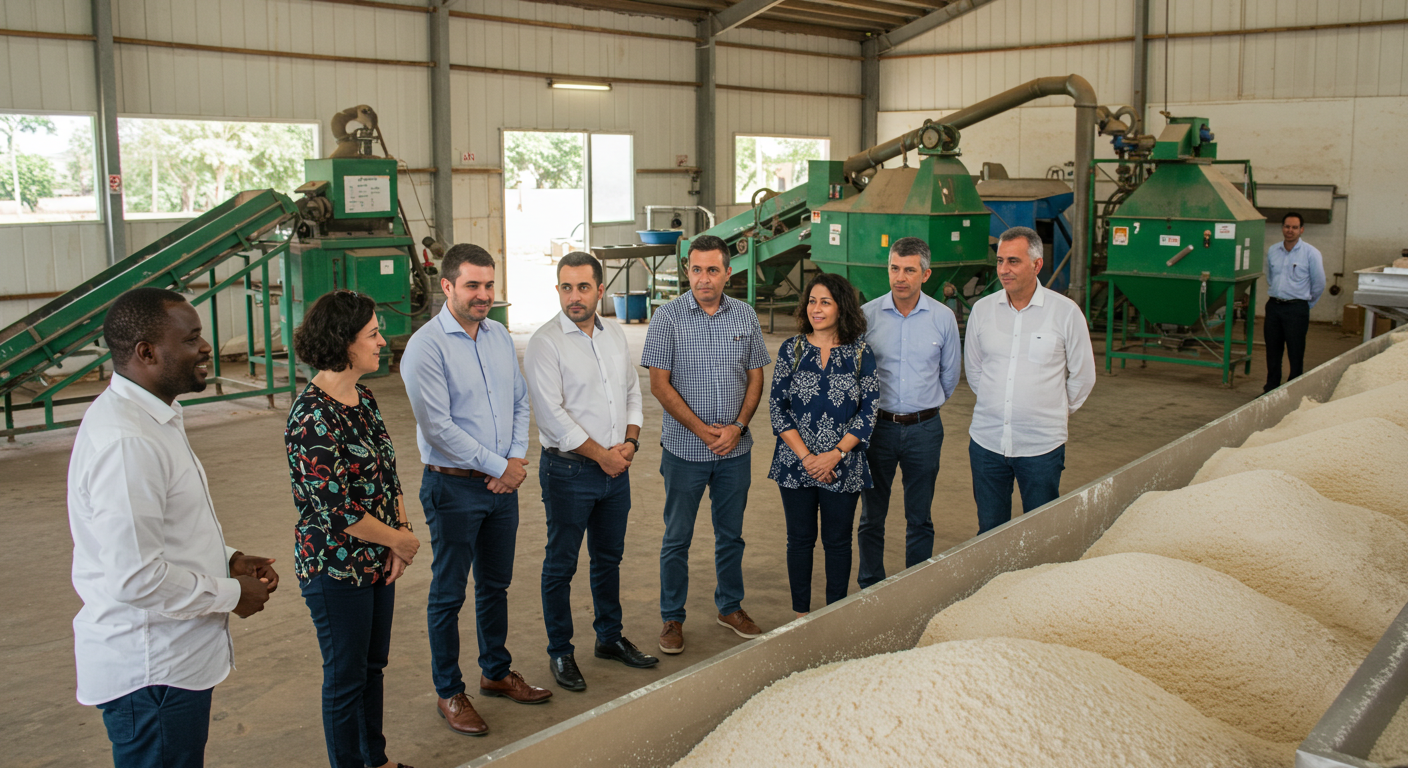
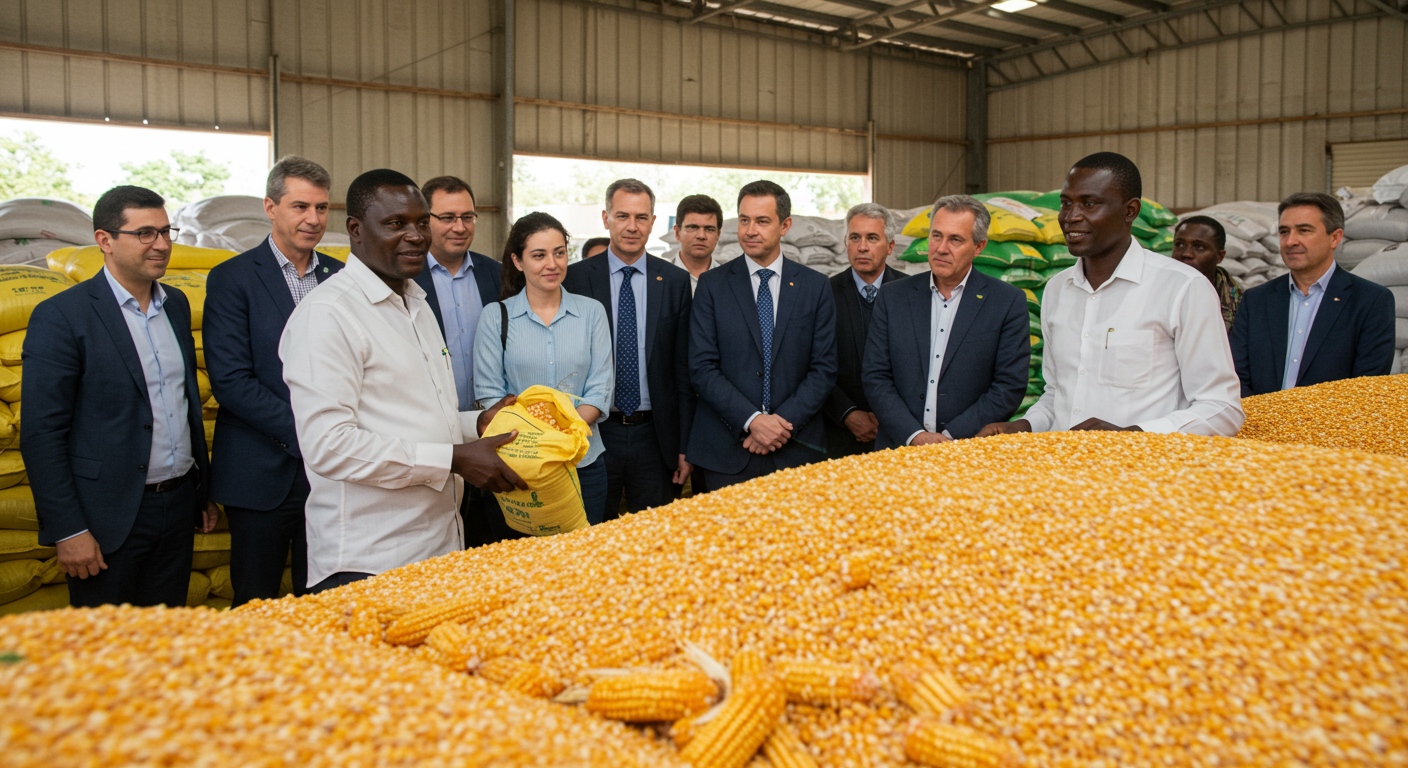
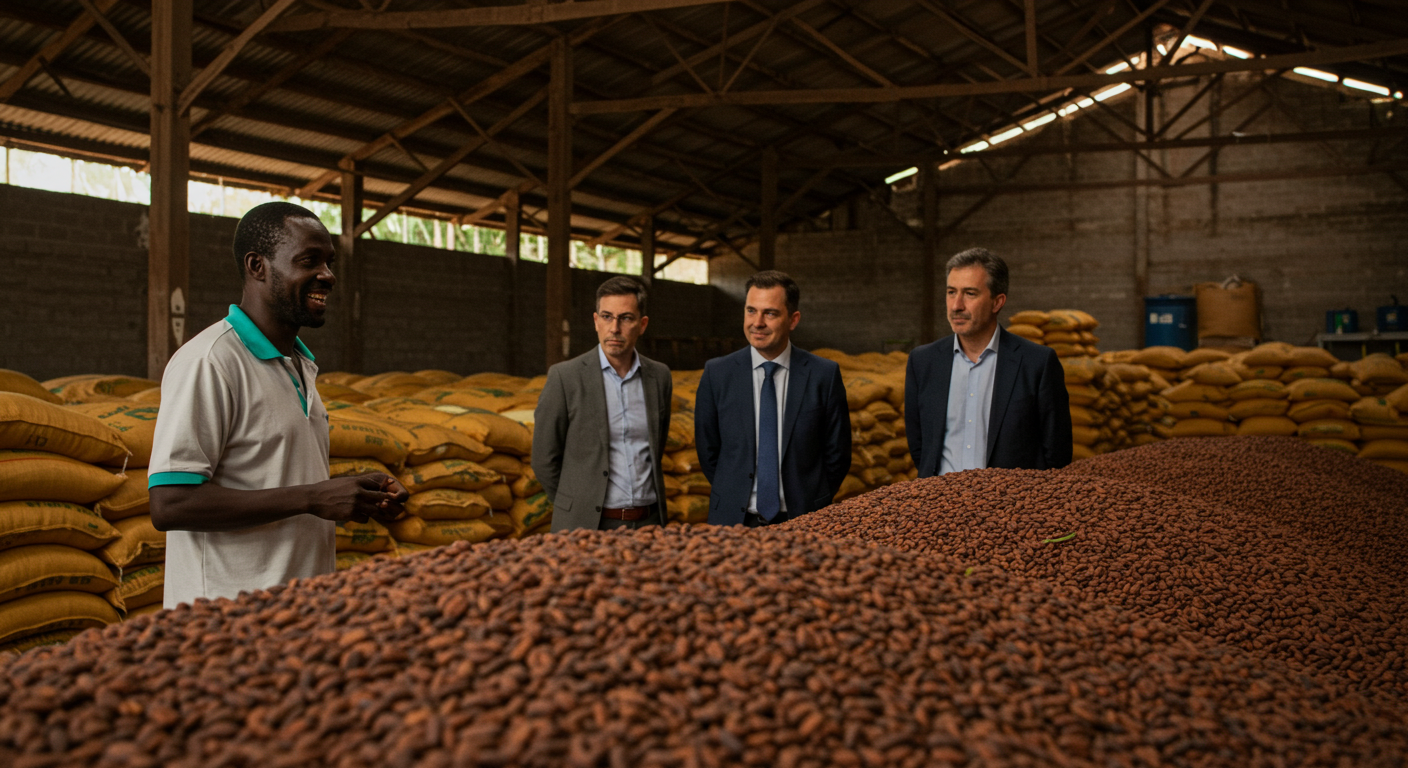
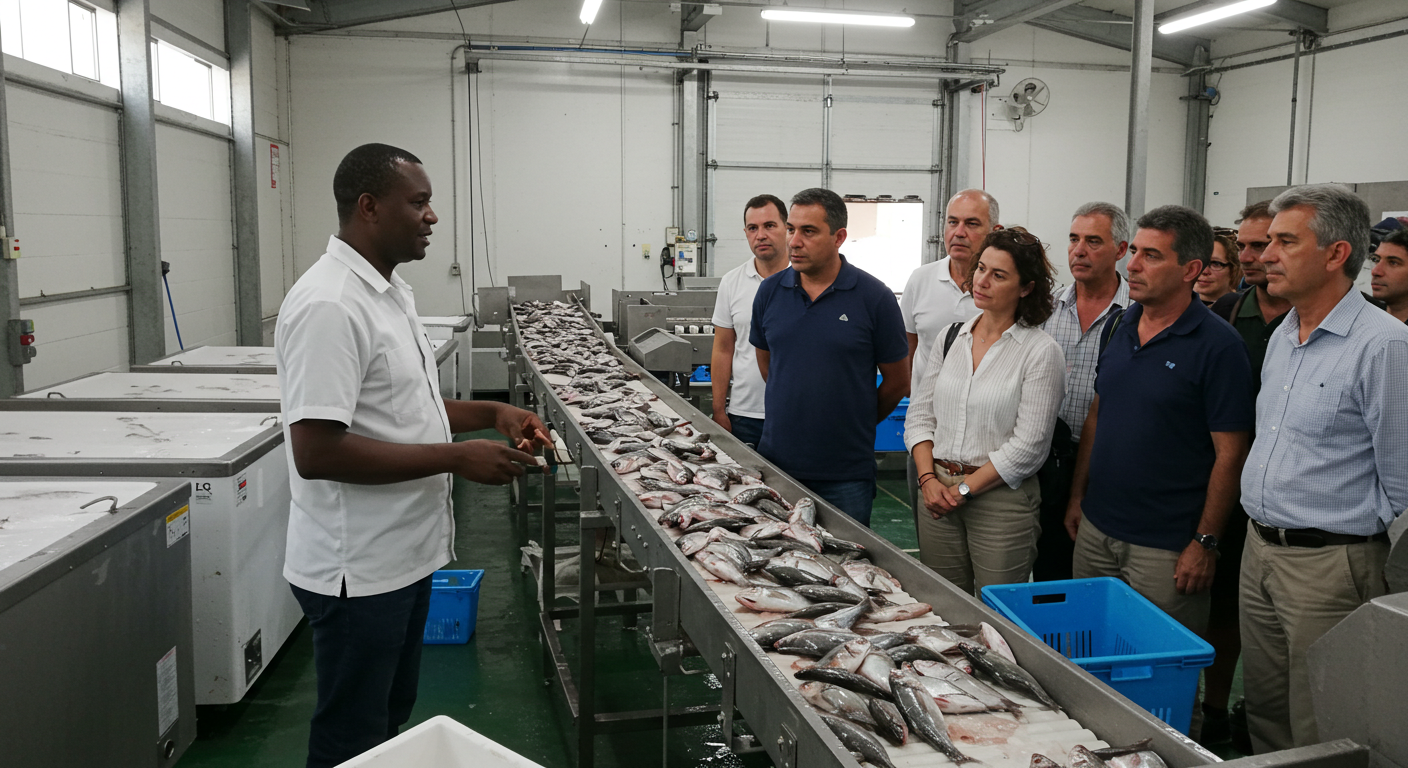
In today’s global agrifood markets, competing on price alone is a race to the bottom. Savvy exporters know that trust and transparency unlock higher-value, stable partnerships. As one export veteran observes, “What changed everything was not a lower price or faster ship – it was trust. Trust turned one-off buyers into partners, and partners built repeat orders, smoother logistics, and referrals that opened whole new markets”. In other words, reliability, consistent quality, and honest communication create a “competitive moat” that price-cutting cannot match. The goal is to demonstrate your value – through traceable quality, predictable service, and clear contracts – so buyers pay a premium for certainty rather than bargaining you down.
Transparency and Traceability: Show, Don’t Just Tell
A cornerstone of trust is visibility into your supply chain. Exporters who share clear information on origin, quality and handling reassure buyers that products meet global standards. Modern digital traceability tools (QR codes, blockchain ledgers, cloud platforms) can record every step from farm to port. For example, TraceX reports that end-to-end traceability “verifies origin, monitors ethical sourcing, and ensures compliance with sustainability standards” – and this transparency not only builds trust among buyers and consumers, but also unlocks access to markets demanding sustainable sourcing.
Traceability also reinforces compliance. As one industry guide notes, trace systems “ensure compliance with standards like Fair Trade, Organic and EU Deforestation Regulation by tracking each stage of production.” The result is that exporters avoid penalties, unlock new markets, and reinforce trust with end customers. In practice, a clear chain-of-custody record (with lab certificates, shipping docs, etc.) signals professionalism. For example, providing digital pre-shipment quality reports and sharing certificates ahead of time prevents customs delays and keeps buyers confident in your operations. Simple transparency measures – like sharing cost breakdowns for freight or using fixed-rate contracts – also remove fear of hidden fees and “surprises” that erode trust.
In short, show buyers the data behind your price. Use technology (e.g. QR codes linking to farm data) to let customers verify claims, and highlight certifications or chain-of-custody steps in your pitch. Studies even find that “certification is the primary language of trust between producers and consumers who have never met”. By building a verifiable story from farm to fork, exporters turn quality and compliance into credibility – and credibility means buyers compete to keep you, rather than to cut your price.
Certification and Quality Standards: Leverage Third-Party Trust Signals
Buyers increasingly rely on third-party certifications as trust shortcuts. In many Asian and European markets, certifications (organic, halal, Fair Trade, sustainability labels) signal compliance and quality upfront. In fact, recent market analysis shows certified food exports from Southeast Asia growing 300% even as the overall market contracted. As one white paper puts it, “consumer trust is now primarily built through third-party certification rather than brand reputation alone”. In practice, carrying recognized certifications can command a premium: buyers justify higher prices when they see proof of good practice.
For example, Fair Trade and organic labels are widely known in many markets. Consumers and businesses “know and trust Fair Trade Certified” products, so trading under such schemes or working toward those standards strengthens your brand’s credibility. Even without formal labels, internal best-practice systems (strict quality controls, non-GMO verification, good agricultural practices) play a similar role. Transparent adherence to standards (ISO, HACCP, EU-Food Safety, etc.) is a powerful trust-builder. Global buyers often view missing certificates or incorrect HS codes as a red flag of “operational incompetence”. By contrast, meeting or exceeding standards sends the message “we do things right,” allowing you to ask full value for your product.
Certifications also open doors. Many trade programs and buyers require certified supply – see, for example, China’s focus on safe, certified imports. Meeting these requirements is non-negotiable for entering certain markets. Exporters who invest in dual certifications (e.g. halal and organic together) have seen dramatically higher demand. Don’t forget to communicate these certifications clearly: display logos on product literature and tell the story behind them. Studies show that visible certification logos (on packaging or online profiles) reassure buyers and consumers, acting as “trust signals” that justify a higher price.
Reliability and Consistency: Deliver on Every Promise
A reputation for consistency is priceless. Buyers want to know that every shipment matches the sample and promise. Consistency in quality and timing lowers the buyer’s risk. As one export consultant experienced, variable product quality “destroys trust faster than any shipping delay” – buyers remember the pain of bad batches and penalize the supplier, not the price. To avoid this, implement rigorous quality checks: batch testing, tolerances, pre-shipment photos or videos. These steps cost little but show buyers they can rely on you.
Likewise, on-time delivery is vital. In project-driven markets, delays are more costly than small price differences. One exporter noted that “reliability in logistics often matters more than a small price advantage”. Mitigate delays with trusted freight partners, local clearing agents, and some built-in buffer time for known chokepoints (monsoon season, port backups, etc.). If you consistently meet timelines and communicate transparently about any issues, buyers will view your shipments as low-risk. Over time, this reliability becomes a key selling point – buyers will pay extra rather than gamble on a cheaper but unreliable source.
Finally, robust documentation is part of reliability. Simple errors like wrong paperwork can stall deliveries and erode confidence. Share packing lists, test reports, and compliance certificates in advance, even via secure cloud folders, so your buyers see everything is in order. In one case, having digital access to all certificates allowed a shipment to clear customs in days instead of weeks. These efficiencies convert directly to trust – and trust means less pressure to cut price.
Transparent Pricing and Risk-Sharing: Be Fair and Clear
Price negotiations in export markets often revolve around perceived risk. Buyers who feel ‘burned’ by hidden costs will chip away at future quotes. The antidote is clear, transparent pricing. Provide landed-cost estimates (FOB plus freight, duties, etc.) with each quote, and explain which costs are variable. As one trade expert advises, “You give clarity – not surprises”. Offer tiered pricing for different volumes or shipping options so buyers can choose without second-guessing. If you have currency clauses or seasonal fluctuations, spell them out upfront. When buyers can budget accurately, they see your price as fixed and fair rather than subject to unseen change.
Sharing risk can also build trust. Consider offering partial shipments, mixed containers, or small trial orders at a slightly higher unit price – showing you’re invested in their success. Similarly, flexible payment terms (letters of credit, small payment splits, or customer credit) can seal deals without slashing price. In emerging markets especially, creative financing moves deals “from possible to signed” without undercutting margins. These concessions demonstrate commitment, helping buyers trust you enough to pay your stated price.
After-Sales Support and Local Partnership: Show You Care
Trust extends beyond the sale. Providing responsive after-sales support shows you stand behind your products. This might mean sharing technical data sheets in the buyer’s language, offering troubleshooting hotlines, or even running simple training sessions (online or in-country) for product use. For example, one exporter of specialty materials fixed a failed shipment issue by sending rework kits and holding a local training – the buyer appreciated the remediation and increased their next order fivefold. Such gestures turn a one-time sale into an ongoing partnership.
Local presence and cultural understanding also earn trust. Hiring or partnering with local agents and respecting business norms (labels in local language, timely communication) can smooth transactions. Buyers often prefer dealing with companies that “respect local norms, language, and business culture,” because it reduces friction. In our networks across West Africa and Southeast Asia, we leverage strong relationships with producers, processors, and logistics providers. This on-the-ground strength lets us quickly resolve issues and keep supply stable – the kind of credibility that buyers value over a bare price advantage.
Our Consulting Edge: Turning Strength into Growth
We specialize in helping small and medium agrifood exporters apply these trust-building strategies for real growth.
Our partners value:
- Stable, traceable supply: We emphasize non-GMO and sustainability standards, meeting demanding buyer specs.
- Structured export programs: We design clear timelines and checkpoints so every shipment arrives as promised.
- Transparent pricing frameworks: Clear contracts and clear costs reduce disputes and build loyalty.
- Strong origin networks: Deep ties in West Africa and Southeast Asia ensure reliable sourcing and local support.
- Hands-on execution: From sourcing to shipment, we oversee every detail so you deliver on your promises.
For exporters ready to move beyond ad-hoc deals, we offer COO-level guidance on:
- Margin optimization: Efficient operations that protect your profit.
- Export program design: End-to-end roadmaps for scaling up.
- Buyer access & qualification: Connecting you to vetted, creditworthy customers.
- Contract and pricing strategy: Agreements that lock in fair value and minimize surprises.
- Compliance & shipment security: Procedures to meet every regulatory requirement and avoid cargo loss.
By embedding trust at each step – from farm practices to finance terms – we help our partners grow profitably without fighting on price. If you’re an exporter aiming to scale strategically, let’s connect.
Build trust, not just volume, and watch your margins hold firm.
For further information, please contact:
Adalidda
Mr. Kosona Chriv
Chief Sales and Marketing Officer
📧 sales@adalidda.com | 📱 WhatsApp : +855 10 333 220
Our WhatsApp channel https://whatsapp.com/channel/0029Va9I6d0Dp2Q2rJZ8Kk0x
Sources
Fair Trade USA – Fair Trade Certification Process for Brands and Traders[19][10].
BNS Agri – “Africa to Asia: How Strategic Sourcing Is Reshaping Agri Supply Chains”[20][21].
TraceX Technologies – “Building Trust in Shea Supply Chains: The Role of Digital Traceability”[3].
TraceX Technologies – “Coffee Traceability: Everything About Bean to Cup”[4][11].
Tejash Bhalara – “Lessons From The Export Journey – Why Trust Matters More Than Transactions” (LinkedIn)[1][2].
Alibaba.com Seller Blog – “2026 Southeast Asia Food & Beverage Export Strategy White Paper”[9][8].
[1] [2] [5] [6] [7] [12] [13] [14] [15] [16] [17] [18] Lessons From The Export Journey - Why Trust Matters More Than Transactions
https://www.linkedin.com/pulse/lessons-from-export-journey-why-trust-matters-more-than-bhalara-cwvmf
[3] Shea Supply Chains: Digital Traceability for Trust & Compliance
https://tracextech.com/shea-supply-chains-digital-traceability/
[4] [11] Coffee Traceability: Everything About Bean to Cup
https://tracextech.com/coffee-traceability-value-chain/
[8] [9] 2026 Southeast Asia Food & Beverage Export Strategy White Paper - Alibaba.com Seller Blog
https://seller.alibaba.com/blogs/2026/southeast-asia/food-beverage/certification-driven-structural-opportunity
[10] [19] How to Become a Fair Trade Business Partner | Fair Trade Certified
https://www.fairtradecertified.org/get-certified/brand-trader-licensing/
[20] [21] Africa to Asia: How Strategic Sourcing Is Reshaping Agri Supply Chains
https://www.linkedin.com/pulse/africa-asia-how-strategic-sourcing-reshaping-agri-supply-chains-7kt3f
I hope you enjoyed reading this post and learned something new and useful from it. If you did, please share it with your friends and colleagues who might be interested in Agriculture and Agribusiness.
Mr. Kosona Chriv
Founder of LinkedIn Group « Agriculture, Livestock, Aquaculture, Agrifood, AgriTech and FoodTech » https://www.linkedin.com/groups/6789045/
Co-Founder, Chief Operating Officer and Chief Sales and Marketing Officer
Deko Integrated & Agro Processing Ltd
IDUBOR HOUSE, No. 52 Mission Road (by Navis St.)
Benin City, Edo State, Nigeria | RC 1360057
Follow-me on
✔ WhatsApp: +2349040848867 (Nigeria) +85510333220 (Cambodia)
✔ X https://x.com/kosona
✔ BlueSky https://bsky.app/profile/kosona.bsky.social
✔ Instagram https://www.instagram.com/kosonachriv
✔ Threads https://www.threads.com/@kosonachriv
✔ LinkedIn https://www.linkedin.com/in/kosona
✔ Facebook https://www.facebook.com/kosona.chriv
✔ Tiktok https://www.tiktok.com/@kosonachriv
WhatsApp Channel: https://whatsapp.com/channel/0029Va9I6d0Dp2Q2rJZ8Kk0x